September 3, 2026
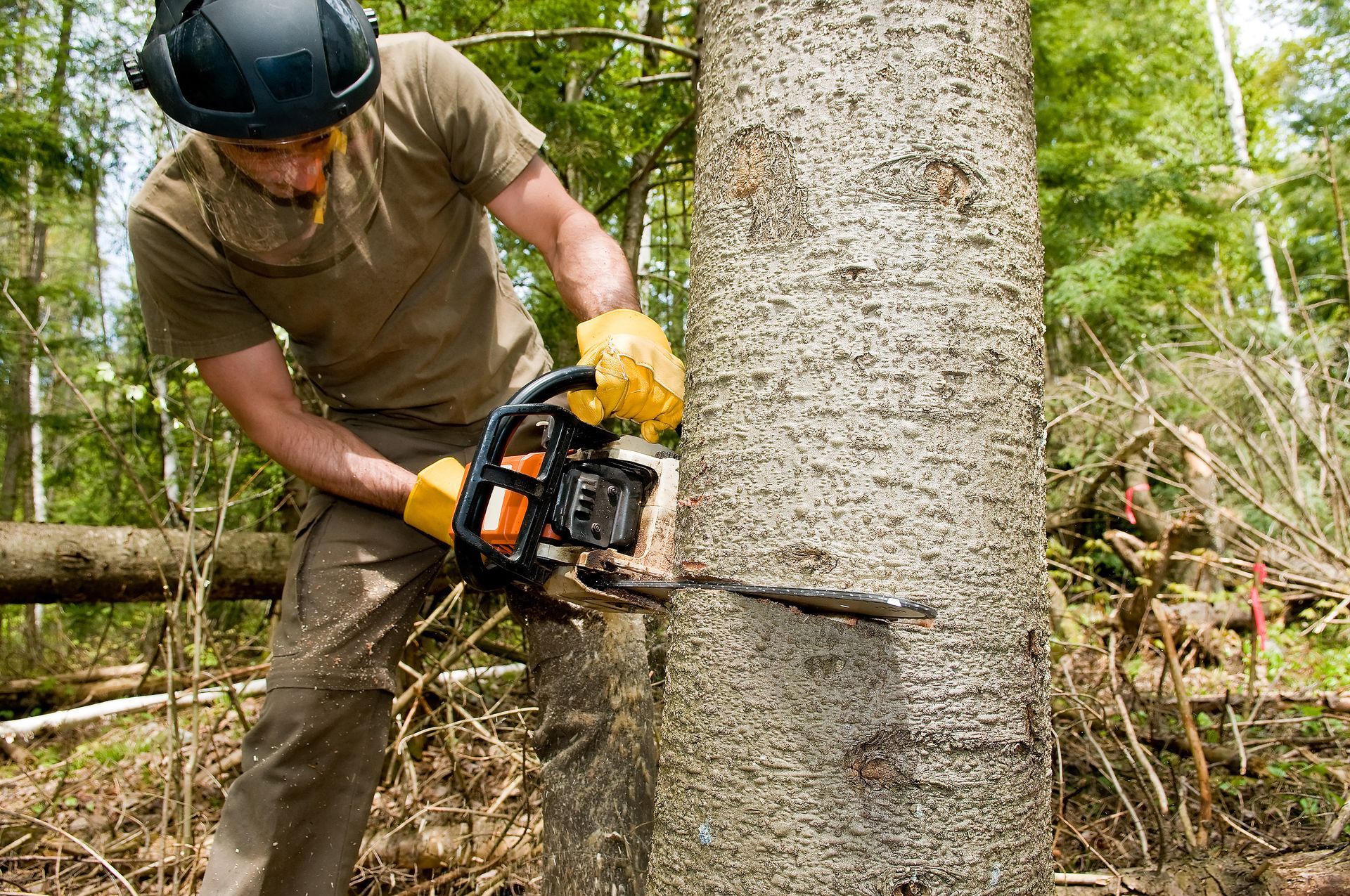
Landscaping choices dictate a massive portion of real estate value. Mature vegetation offers abundant shade, beauty, and character to a home exterior. However, unkempt foliage detracts from these benefits and causes potential buyers to perceive underlying property neglect. Buyers evaluate the exterior environment before stepping inside. A pristine landscape signals excellent property upkeep and precise attention to detail. Engaging in a professional tree service routine preserves this crucial aesthetic standard and protects the real estate investment.
Routine arbor care goes beyond visual appeal. Overgrown branches hide architectural details, and diseased limbs threaten expensive roofs and delicate power lines. Ignoring these elements lowers market appeal and invites disaster. Property owners must view arbor maintenance as a necessary asset protection strategy. Proper attention ensures healthy growth and prevents structural failure during severe weather events. The financial return on this exterior maintenance remains undeniable.
Boosting Curb Appeal Through Strategic Trimming
Initial impressions dictate buyer interest during real estate viewings. Overgrown vegetation creates a chaotic exterior profile for prospective homeowners. Buyers equate wild branches with hidden maintenance problems. Strategic trimming removes dead wood and shapes the canopy design. This targeted approach opens the front yard and invites sunlight onto the grass. A reputable tree service understands precise branch shaping techniques to highlight architectural home features.
Sunlight penetration remains vital for a thriving grass lawn. Dense foliage canopies block vital light and create patchy, brown grass spots. Thinning the upper branches solves this landscaping issue with precision. Filtered sunlight encourages lush turf below the sprawling canopy. A vigorous lawn combined with well-shaped foliage creates a picturesque setting for potential residents. Buyers appreciate a bright exterior environment over a dark lot.
Symmetrical growth improves visual harmony across the residential landscape. Wild branches jutting in random directions disrupt the exterior design scheme. Pruning encourages balanced structural development throughout the plant life. The resulting uniform appearance feels intentional to casual onlookers and appraisers alike. Buyers perceive this aesthetic harmony as a sign of meticulous property management. This positive perception translates into higher purchase offers.
Seasonal debris accumulation creates an untidy appearance on the exterior grounds. Fallen leaves and dropped seed pods cover concrete walkways and driveways. Routine branch removal minimizes this constant natural mess. Clean paths and pristine lawns look appealing to visitors and home appraisers. Less yard debris means less manual labor for prospective buyers seeking relaxation. Low-maintenance yards command premium market prices compared to demanding landscapes.
Mitigating Property Risks Through Disease Management
Dead wood poses a severe physical threat to permanent housing structures. High winds snap weakened branches with ease during seasonal storms. These falling limbs crush roofs, shatter glass windows, and smash parked vehicles. Property owners face immense repair bills when such an unexpected disaster strikes. Removing dead limbs eliminates this overhead hazard and provides invaluable peace of mind. Safe properties attract cautious buyers seeking secure investments.
Disease ravages dense vegetation in humid climates. Fungal infections weaken structural wood integrity from the inside out. Insects bore into compromised timber and accelerate the natural decay process. Prompt detection stops the biological spread and saves the organism from premature death. Professionals spot subtle signs of illness that untrained homeowners miss. Healthy vegetation remains a distinct asset, while dying wood becomes a financial liability.
Vegetation size correlates with potential impact damage during a catastrophic fall. According to The Spruce, medium trees are usually 10 to 20 feet tall, while extra-large trees like cottonwoods can be more than 50 feet tall. When massive plant specimens fail, the resulting destruction proves catastrophic for adjacent structures. Routine structural assessments ensure these giant structures remain stable in the soil. Buyers fear the financial cost of removing giant timber.
Insurance companies monitor landscape risks before issuing comprehensive coverage policies. Overhanging branches lead to canceled insurance policies or exorbitant premiums. Maintaining safe clearances around roofs and power lines keeps insurers cooperative during inspections. A clear safety record improves the overall property profile in competitive markets. Prospective buyers value affordable home insurance options when calculating monthly expenses. Integrating a tree service into seasonal maintenance keeps premiums in check.
Elevating Land Value Through Structural Pruning
Young saplings require precise guidance for optimal upward growth. Without expert intervention, they develop weak crotches and dangerous crossing branches. These inherent structural flaws lead to splitting as the organism matures and gains tremendous weight. Prompt pruning establishes a strong central leader trunk for future stability. This dominant trunk provides immense stability against environmental stress. A sturdy biological framework ensures longevity and enduring landscape value.
Maturing vegetation needs periodic canopy adjustments to maintain vital structural integrity. Branch weight distribution affects balance and stability in the surrounding soil. Heavy, extended limbs pull the main trunk off-center over extended timeframes. Selective reduction lightens these heavy branches to restore natural equilibrium. Balanced weight prevents catastrophic uprooting during saturated soil conditions. Calling a professional tree service guarantees correct canopy weight distribution without harming biological health.
Clearance pruning protects pedestrian and vehicular traffic around the property perimeter. Low-hanging limbs scrape passing cars and block public concrete sidewalks. Municipalities issue steep financial fines for obstructed paths and neighborhood roads. Raising the lower canopy eliminates these specific physical obstructions. Clear walkways improve neighborhood relations and avoid strict legal penalties. Buyers prefer properties free of municipal violations and restrictive public right-of-way issues.
Vista pruning reveals hidden landscape views blocked by dense foliage growth. Thick branch networks block picturesque mountains, serene lakes, or dazzling city skylines. Removing specific branches opens these valuable sightlines for current and future residents. Scenic views add immense monetary value to premium real estate listings. Buyers pay premium purchase prices for unobstructed natural panoramas. Careful canopy reduction frames these majestic vistas without sacrificing surrounding shade.
Preventing Foundation Damage Through Root Monitoring
Underground growth patterns affect nearby concrete structures and crucial home foundations. Expanding root networks seek moisture and vital soil nutrients underground. They creep toward irrigated lawns and leaking pipes. This underground movement exerts immense physical pressure on basement foundations and concrete driveways. Cracks in structural concrete reduce property valuations and alarm home inspectors. Prompt monitoring prevents these costly structural failures before they become visible.
Root pruning provides a physical barrier against underground property encroachment. Severing root tips at a safe distance stops them from reaching concrete basement walls. This advanced technique requires specialized knowledge to avoid killing the biological organism. Cutting essential anchor roots causes above-ground instability and eventual collapse. Proper underground management balances structural property protection with essential biological health. Intact foundations secure high appraisal values and reassure prospective investors.
Soil compaction hinders crucial nutrient absorption and stifles underground root development. Heavy foot traffic and parked vehicles pack dirt tight around the main trunk base. Roots struggle to absorb vital oxygen and water through dense, hard soil. Aeration techniques loosen the compact ground and restore underground plant health. Vibrant exterior foliage relies on a thriving underground biological system. Healthy roots anchor the surrounding soil and prevent surface erosion.
Professional site assessments identify underground conflicts before irreversible structural damage occurs. Experts recognize which plant species possess aggressive, invasive root systems. They recommend prompt removal and replacement for problematic vegetation planted near primary houses. Replacing invasive plant species with deep taproot varieties provides a permanent solution. Utilizing a skilled tree service prevents silent destruction from ruining a pristine real estate asset and draining homeowner finances.
Maintaining an attractive home exterior demands consistent, dedicated effort from property owners. Overgrown canopies and invasive roots threaten structural building integrity and overall market appeal. Proactive exterior maintenance preserves aesthetic visual harmony and eliminates dangerous overhead physical hazards. Scheduling regular tree service protects the immense financial investment property owners have made. Reach out to our team at Tree MD today to protect your property's value and keep your landscape looking beautiful. We are ready to provide the professional tree service your home needs to thrive.