November 3, 2026
When severe weather strikes, severe storms, heavy ice accumulation, or sudden gale-force winds can turn majestic yard trees into immediate structural hazards. A massive fallen oak across a driveway or a heavy pine branch leaning precariously over a roof demands urgent attention. In the tense aftermath of a storm, homeowners often feel pressured to clear the damage immediately to prevent further property loss or restore driveway access. However, picking up a chainsaw and attempting to resolve high-risk tree damage on your own is one of the most dangerous home maintenance decisions you can make. Emergency tree situations involve complex physics, extreme mechanical tension, structural instability, and severe environmental hazards that go far beyond standard lawn care. Hiring certified professionals for emergency tree services ensures that hazardous storm damage is cleared safely, efficiently, and without risking human life or causing catastrophic property damage.
Unseen Physics and Dangerous Wood Tension
Trees under extreme stress behave unpredictably. When a heavy limb tears partially away from a trunk or a fallen tree pins itself under structural debris, immense kinetic energy becomes trapped within the wood fibers. A branch under tension acts like a compressed spring waiting to snap back violently. To an untrained homeowner, cutting a fallen trunk may seem like a straightforward task, but making a single incision in the wrong spot can trigger an explosive release of tension, causing heavy logs to kick back, twist, or split with lethal force. Professional arborists undergo years of technical training to evaluate wood compression, tension points, and weight distribution before making a single cut. Specialized rigging equipment, controlled lowering ropes, and precise notch-cutting techniques allow certified crews providing emergency tree services to relieve structural strain safely without triggering unexpected wood movement.
High-Voltage Electrical Hazards and Hidden Power Lines
Storm damage frequently brings tree limbs into contact with overhead utility lines. Differentiating between low-voltage telecommunication cables and energized high-voltage primary power lines can be nearly impossible when branches, leaves, and debris envelope tangled wires. Furthermore, wet wood and damp soil act as excellent electrical conductors, allowing high-voltage electrical current to travel down a fallen branch straight into ground soil or hand tools. According to the Occupational Safety and Health Administration, power lines, falling branches, and faulty safety equipment represent three frequent hazards in tree care operations. Attempting to trim or remove limbs anywhere near downed power lines without specialized electrical hazard certifications and non-conductive equipment carries an extreme risk of electrocution. Professional crews coordinate directly with local utility companies to de-energize lines and verify safety protocols before beginning work around damaged infrastructure.
Overhead Falling Debris and Structural Instability
Working beneath a damaged tree canopy presents constant danger from falling debris. Cracks along upper limbs—often referred to as "widowmakers"—can remain suspended high in the canopy long after a storm passes, dropping without warning due to minor wind gusts or subtle weight shifts. Additionally, trees that appear upright after a storm may have suffered catastrophic root shear or trunk fracturing, leaving them balanced precariously against nearby structures or neighboring trees. Climbing an unstable tree or placing a ladder against a compromised trunk introduces severe fall hazards. Professional arborists providing emergency tree services utilize specialized aerial lifts, heavy-duty cranes, and certified climbing harnesses to access damaged canopies safely without putting workers or residential structures in harm's way.
Specialized Heavy Machinery and Technical Chainsaw Risks
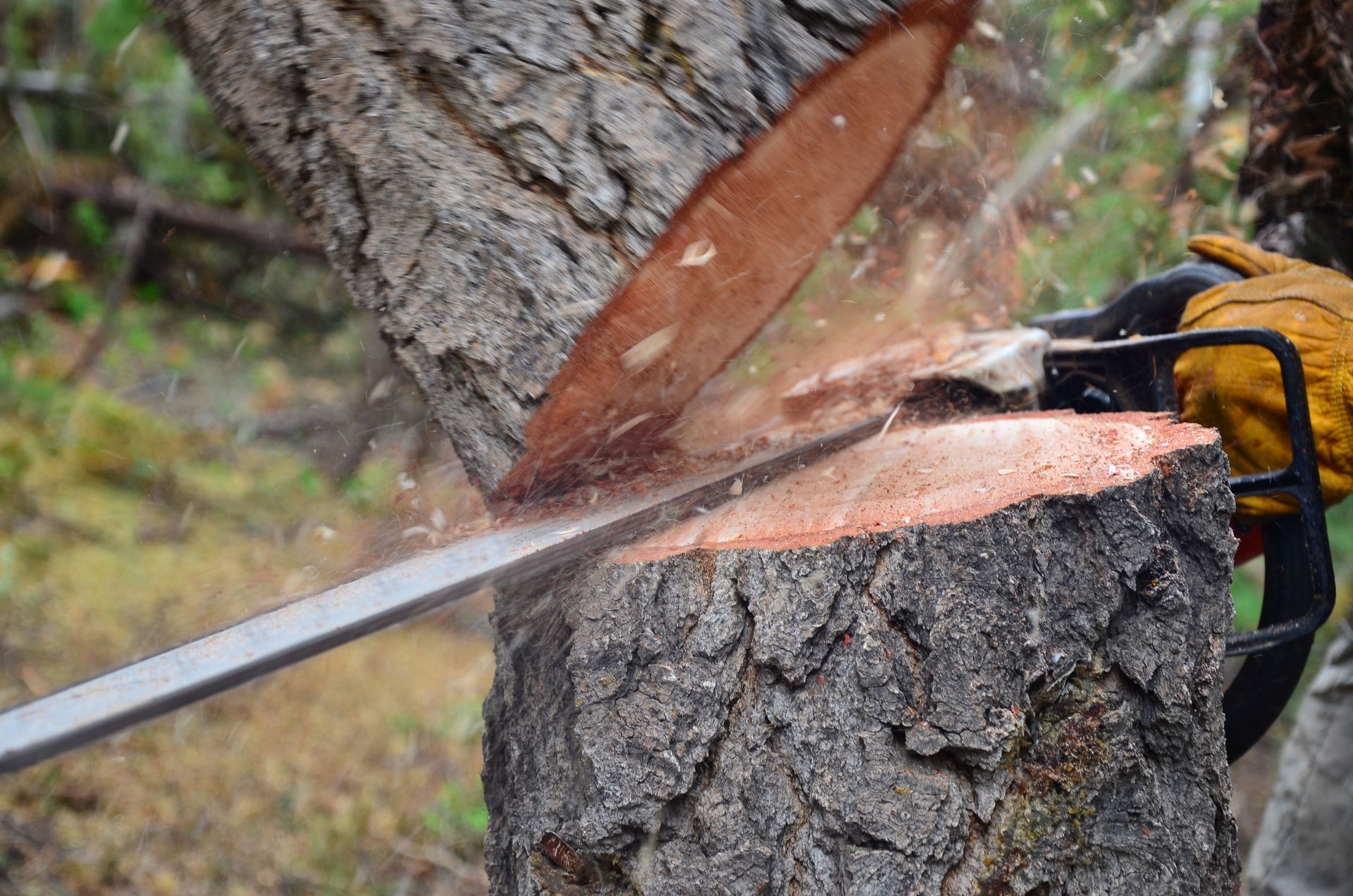
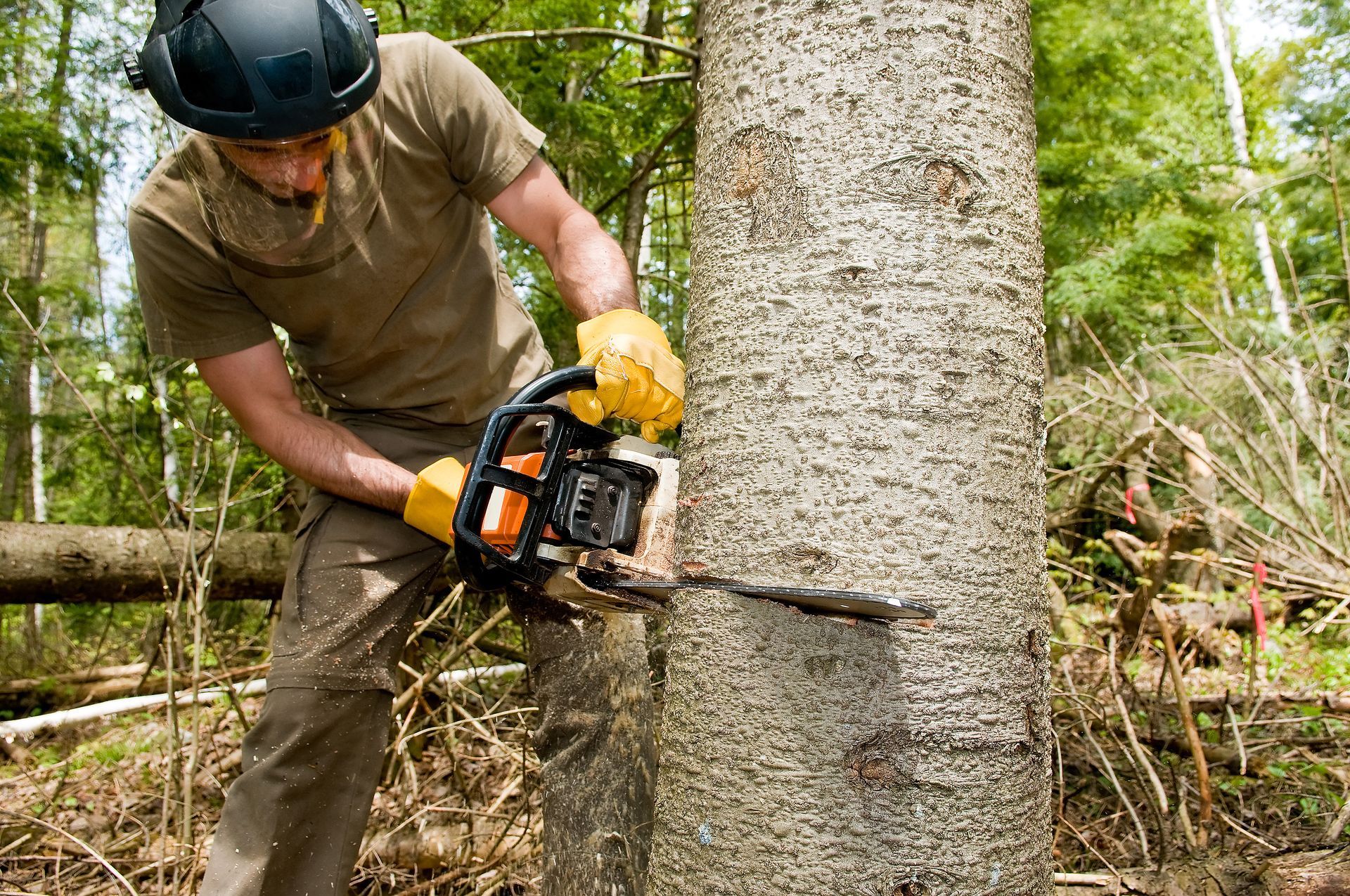
Operating heavy-duty chainsaws, wood chippers, and hydraulic winches requires advanced mechanical training, physical stamina, and strict safety protocol adherence. Chainsaw kickback—which occurs when the nose of the guide bar contacts an object or gets pinched in a cut—can hurl a spinning chain back toward the operator in milliseconds. Emergency cleanup situations worsen this danger because technicians must cut at awkward angles, over unstable footing, or in wet, muddy conditions. Consumer-grade safety gear often fails under severe conditions, whereas commercial crews wear specialized ballistic Kevlar chaps, steel-toed boots, cut-resistant gloves, and full-face impact shields. Contracting equipped professionals for emergency tree services guarantees that heavy machinery is operated by trained technicians who know how to manage equipment risks under stressful, high-hazard conditions.
Navigating Insurance Claims and Preventing Secondary Property Damage
Beyond physical safety risks, DIY emergency removal can complicate your homeowner's insurance coverage. If an untrained homeowner attempts to remove a fallen limb from a roof and accidentally drops the wood, causing a roof collapse or smashing a skylight, insurance adjusters may deny the secondary damage claim due to improper maintenance protocols or negligence. Conversely, certified arborist companies carry extensive commercial liability insurance and workers' compensation coverage, shielding homeowners from financial liability. Furthermore, professional teams document damage thoroughly with high-resolution photos and detailed line-item invoices, providing the clear evidence required by insurance adjusters to process storm damage claims smoothly. Utilizing insured specialists for your emergency tree services protects your financial interests while ensuring secondary structural damage is strictly avoided.
Specialized Crane Operations and Complex Rigging Capabilities
Large-scale tree emergencies—such as an uprooted hardwood resting directly on a house foundation or blocking a main access road—require capabilities far beyond manual chainsaw work. Safely removing thousands of pounds of unstable timber from a roof structure without causing further framing collapse requires heavy machinery, including hydraulic cranes and bucket trucks. Crane-assisted removal allows arborists to sling heavy timber sections, cut them free in mid-air, and lift them clear of the home without placing any weight on damaged roofs or walls. Professional companies providing comprehensive emergency tree services maintain access to specialized heavy equipment and certified operators who can execute complex rigging operations safely in tight residential neighborhoods.
Long-Term Tree Health Assessment and Disease Prevention
Emergencies require immediate risk mitigation, but preserving the long-term health of surviving landscape trees is equally important. When panicked homeowners hack away at damaged branches, they often leave jagged stubs, torn bark, and unbalanced canopies. These improper cuts create open wounds that invite wood-rotting fungi, bacterial infections, and destructive insect infestations, eventually leading to internal decay and future tree failure. Certified arborists evaluate whether a storm-damaged tree can be saved through structural pruning, cabling, or bracing. When removal is unavoidable, they execute clean, precise cuts that promote healthy compartmentalization and protect the remaining urban canopy. Relying on professional arborists for emergency tree services balances immediate hazard removal with long-term landscape preservation.
The True Cost of DIY vs. Professional Expertise
While attempting a DIY cleanup might seem like a way to save money during a crisis, the potential financial consequences of a mistake far outweigh initial service costs. Emergency room visits, structural home repairs, damaged power infrastructure, and ruined personal property can turn a DIY attempt into a financial disaster. Professional crews arrive equipped with specialized tools, safety gear, and decades of collective experience, allowing them to clear complex hazards in a fraction of the time it takes an untrained individual. Investing in professional mechanical intervention delivers complete peace of mind, knowing that your family, home, and property are protected by proven industry standards.
When storm damage leaves heavy limbs or uprooted trees threatening your home, attempting a DIY cleanup is a dangerous gamble that puts your safety, property, and finances at serious risk. Unseen wood tension, high-voltage electrical lines, falling canopy debris, and complex machinery operations demand the technical expertise and specialized equipment of certified professionals. Partnering with experienced arborists ensures that hazardous situations are resolved quickly, safely, and in full compliance with local safety standards and insurance guidelines. Protect your family and your property by leaving high-risk storm cleanup to trained mechanical experts who understand how to navigate complex tree physics safely. Contact Tree MD today to secure fast, reliable, and professional emergency tree services when storm hazards threaten your property!